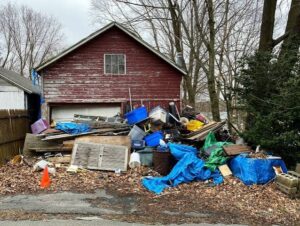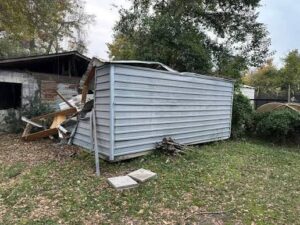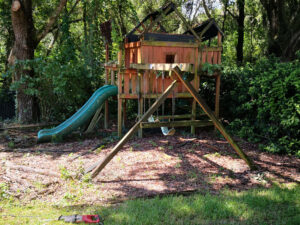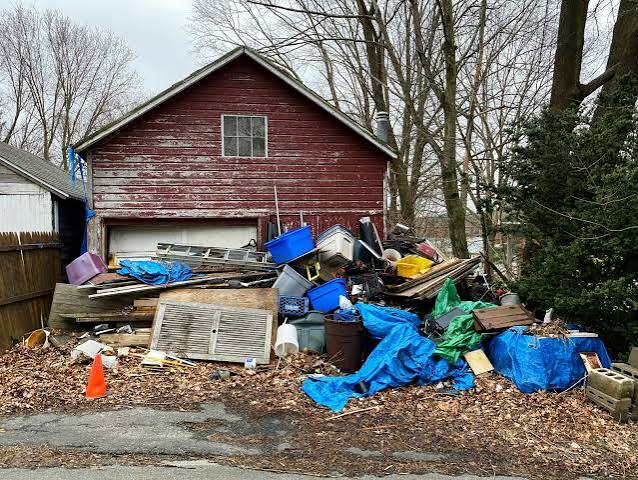
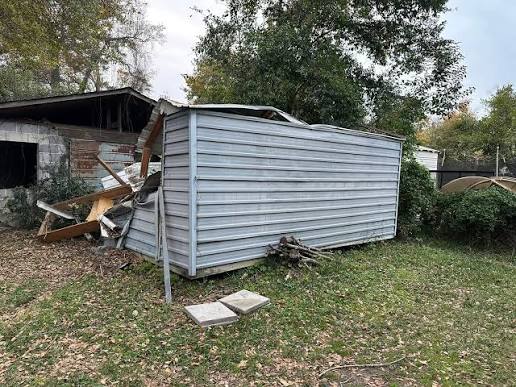
A damaged backyard shed rarely looks dangerous at first glance. It sits in the corner of the yard, holding tools and old boxes, easy to ignore. But once wood starts rotting and the frame starts sagging, a damaged backyard shed can turn into a real hazard for your family and property.
This guide walks through the risks homeowners often miss, the warning signs worth watching for, and the point where repair no longer makes sense. If you have been putting off dealing with an old structure in your yard, this breaks down what you need to know.
Why a Damaged Backyard Shed Is More Than an Eyesore
A cracked wall or missing shingles might seem like a cosmetic issue. In reality, these small problems are often the first signs of deeper structural damage. Weather, moisture, and age work together to weaken materials from the inside out.
Homeowners tend to focus on how a shed looks rather than how it holds up under stress. A structure that leans slightly today can shift further with the next storm. Left unchecked, old shed problems compound quickly and turn a minor repair job into a full removal situation.
Structural Problems That Turn Into Safety Hazards
Shed structural damage does not stay isolated to one area for long. Once a support beam weakens, the load shifts to other parts of the frame, putting stress on sections that were previously fine. This chain reaction is why a small issue can spread across the entire structure within a season or two.
Rotting Wood and Weak Frames
A rotting wooden shed loses its load bearing strength gradually, often without obvious outside signs. Moisture seeps into the base and corners first, softening the wood from within. By the time visible sagging appears, the internal damage is usually much further along.
Pressing a screwdriver into the wood at the base is a simple way to check for softness. If it sinks in easily, the frame has likely lost a meaningful amount of strength. At that point, weight from stored items or heavy snow can cause a section to give way without warning.
Roof Collapse and Falling Debris
A collapsing shed roof is one of the more serious risks tied to prolonged neglect. Years of rain, snow, and sun exposure weaken shingles and the wooden supports underneath them. Once the roof structure fails, anyone nearby when it happens faces a real injury risk.
Falling debris is not limited to the moment of collapse either. Loose panels and shingles can detach during high winds well before the roof gives out entirely, creating hazards for anyone walking past the structure.
Signs a Shed Is Unsafe to Keep on Your Property
Recognizing the warning signs early gives homeowners more options for how to respond. Common indicators include:
A visible lean in the walls or roofline usually points to a shifting foundation or weakened frame. Doors and windows that no longer open or close properly suggest the frame has warped out of its original shape. Soft or spongy flooring is a strong sign of rot spreading beneath the surface. Cracks running along the foundation or base plates often mean the structure is settling unevenly. A persistent musty smell inside points to trapped moisture and possible mold growth behind the walls.
An unsafe backyard shed rarely announces itself with one obvious sign. It is usually a combination of smaller issues building up over time, which is why regular checks matter more than people assume.
Hidden Dangers Beyond the Structure Itself
Structural damage gets most of the attention, but a deteriorating shed creates other risks that are just as important to address. These issues often go unnoticed because they develop out of sight, inside walls or beneath flooring.
Pest and Wildlife Infestation
Gaps in rotting wood and damaged siding give pests an easy way into a shed. Rodents, termites, and even larger animals like raccoons find shelter in structures that no longer seal properly. Once inside, these pests can spread to nearby structures, including the house itself, if the shed sits close to the property line.
Mold, Mildew, and Air Quality Issues
An old shed with poor ventilation and water damage becomes a breeding ground for mold. This is a concern for anyone who stores items inside and later brings them into the home, since mold spores can transfer along with the stored belongings. Prolonged exposure while working near the structure can also affect respiratory health over time.
How an Old Shed Affects Property Value and Insurance
Backyard shed maintenance is not just about safety. A damaged backyard shed can lower curb appeal and raise questions during a home appraisal or sale. Buyers and inspectors both tend to flag deteriorating outbuildings as a point of negotiation.
Insurance is another factor homeowners often overlook. Some policies limit coverage for injuries or damage tied to structures in poor condition, particularly if the damage was documented and left unaddressed. Keeping a shed in questionable shape can end up costing more than the value it provides in storage space.
When to Repair vs When to Remove a Shed
Not every damaged backyard shed needs to come down immediately. Minor issues, like a small hole in siding or a single loose shingle, are usually worth repairing if the frame itself is sound. A quick inspection of the base and support beams gives a clear picture of whether the structure is still stable.
The calculation changes once damage reaches the frame or foundation. At that stage, repair costs often approach or exceed the value of building something new. This is typically the point where homeowners start looking into old shed removal instead of continuing to patch a structure that keeps developing new problems.
Why Professional Removal Is the Safer Option
Removing a shed involves more than pulling apart boards. Weakened structures can shift unpredictably during demolition, and materials like old insulation or treated wood need proper disposal. Professional shed removal accounts for these risks and handles the process safely from start to finish.
Homeowners considering this route can find detailed information on the shed removal services page, which covers what the process involves for different shed sizes and conditions. Residential shed removal is often faster and less stressful when handled by a team familiar with local disposal requirements and site cleanup.
Final Thoughts on Backyard Shed Safety
A damaged backyard shed left unattended tends to get worse, not better, with time. Rot spreads, pests move in, and structural weaknesses that seem minor today can lead to a collapse later. Catching the warning signs early gives homeowners the chance to decide between repair and removal before the decision gets made for them by the structure itself.
If a damaged backyard shed on your property is showing signs of serious wear, it may be time to look at your options. Visit 3 Kings Hauling to learn more about how a professional team can help you clear the space safely and efficiently.